

Best Dermatologist for Acne Treatment in Noida & Ghaziabad
Acne is one of the most common skin conditions worldwide, affecting teenagers, adults, and even people in their 30s and 40s. While often considered a cosmetic issue, acne is a medical skin condition that requires proper diagnosis and treatment to prevent long-term damage such as scars, pigmentation, and emotional distress.
With advancements in dermatology, modern acne treatment today is more effective, safer, and personalized than ever before. This article explores what causes acne, types of acne, best acne treatments, and frequently asked questions patients usually have before starting treatment.
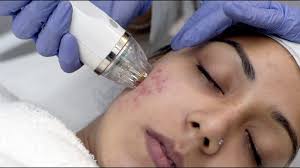

What Is Acne?
Acne occurs when hair follicles (pores) become clogged with oil (sebum), dead skin cells, and bacteria. This blockage leads to inflammation, resulting in pimples, blackheads, whiteheads, or cystic lesions.
Acne commonly appears on:
- Face
- Chest
- Back
- Shoulders
- Jawline and neck (adult acne)
Early and appropriate dermatologist-guided acne treatment plays a crucial role in preventing complications.

What Causes Acne?
Understanding the cause is the first step toward effective treatment. Common acne causes include:
1. Excess Oil Production
Overactive sebaceous glands produce excess sebum, clogging pores.
2. Hormonal Imbalance
Hormonal fluctuations during puberty, menstruation, PCOS, pregnancy, or stress can trigger acne.
3. Bacterial Growth
Cutibacterium acnes bacteria multiply in clogged pores, causing inflammation.
4. Genetics
Family history increases susceptibility to acne.
5. Lifestyle & Diet
High-glycemic foods, dairy, stress, lack of sleep, and smoking can worsen acne.
6. Improper Skincare
Using comedogenic products or frequent face touching can aggravate acne.
A detailed consultation with a dermatologist helps identify the root cause, which is why professional evaluation is essential.
Types of Acne
Not all acne is the same. Each type requires a different treatment approach.
Non-Inflammatory Acne
- Whiteheads
- Blackheads
Inflammatory Acne
- Papules
- Pustules
Severe Acne
- Nodules
- Cystic Acne
Post-Acne Conditions
- Acne scars
- Post-inflammatory pigmentation
- Uneven skin texture
Experienced dermatologists, such as Dr. Aprajita Raghav, emphasize acne grading before starting treatment to ensure safe and effective outcomes.
Best Acne Treatment Options (Dermatologist Recommended)
1. Medical Acne Treatment
This is the foundation of acne management and may include:
- Topical retinoids
- Anti-bacterial creams
- Oral medications
- Hormonal acne management (when required)
Medical treatment helps control active acne and prevent new breakouts.
2. Chemical Peels for Acne
Chemical peels exfoliate the skin, unclog pores, and reduce oil production.
Benefits:
- Reduces active acne
- Improves pigmentation
- Smoothens skin texture
Often recommended for mild to moderate acne.

3. Laser Acne Treatment
Laser therapy targets acne-causing bacteria and reduces oil glands.
Benefits:
- Faster acne control
- Reduced inflammation
- Helpful for resistant acne
Laser acne treatment is commonly combined with medical therapy for better results.

4. PRP & Microneedling for Acne Scars
Once acne is controlled, scar treatment begins.
PRP (Platelet-Rich Plasma) and Dermapen/Microneedling help:
- Boost collagen
- Improve acne scars
- Enhance overall skin quality
These treatments are effective when performed under dermatologist supervision.
5. Advanced Acne Scar Treatments
Depending on scar type:
- Laser resurfacing
- Subcision
- Combination therapies
A customized approach ensures natural-looking results with minimal downtime.
Acne Treatment for Adults
Adult acne is increasingly common and often linked to:
- Hormonal imbalance
- Stress
- Lifestyle factors
- Improper skincare
Adult acne treatment focuses on:
- Gentle yet effective protocols
- Long-term maintenance
- Skin barrier protection
Clinics offering comprehensive acne care often emphasize patient education and realistic expectations.
How Long Does Acne Treatment Take?
This is one of the most frequently asked questions.
- Mild acne: 4–6 weeks
- Moderate acne: 8–12 weeks
- Severe acne or scars: Several months
Consistency is key. Dermatologists often remind patients that acne treatment is a process, not an instant fix.
Is Acne Treatment Safe?
When done under a qualified dermatologist:
- Acne treatments are safe
- Side effects are minimal
- Long-term skin health is preserved
Avoid self-medication and unverified treatments, which can worsen acne and cause permanent damage.
Acne & Diet: Is There a Connection?
While diet alone doesn’t cause acne, it can influence severity.
Foods to limit:
- Sugary foods
- Excess dairy
- Processed foods
Helpful habits:
- Balanced diet
- Adequate hydration
- Good sleep
Lifestyle guidance is often part of holistic acne management protocols.
Why Dermatologist-Led Acne Treatment Matters
Many patients try multiple products before consulting a dermatologist, often worsening their condition.
Professional acne care ensures:
- Correct diagnosis
- Evidence-based treatment
- Scar prevention
- Long-term control
Dermatologists like Dr. Aprajita Raghav, who focus on practical and patient-centric care, stress the importance of early intervention and individualized treatment plans.
Choosing the Right Acne Clinic
Before starting acne treatment, look for:
- Qualified dermatologists
- Advanced treatment options
- Proper consultation & follow-ups
- Ethical, result-oriented approach
Clinics offering integrated skin solutions—such as Cosmoholic Clinic, known for its structured dermatology and aesthetic care—often provide better outcomes through personalized acne protocols.
Frequently Asked Questions (FAQs)
Q1. Can acne be cured permanently?
Acne can be controlled effectively. Maintenance care helps prevent recurrence.
Q2. Will acne scars go away completely?
Scars can be significantly improved with advanced treatments, though results vary.
Q3. Is laser treatment painful?
Most laser treatments cause mild discomfort and are well tolerated.
Q4. Can men undergo acne treatment?
Yes. Acne treatment is effective for both men and women.
Q5. Can acne return after treatment?
Acne can recur without maintenance or lifestyle care. Regular follow-ups help.
Final Thoughts
Acne is more than a skin issue—it affects confidence, appearance, and quality of life. The good news is that with modern dermatologist-guided acne treatment, clear and healthy skin is achievable at any age.
A combination of correct diagnosis, advanced technology, and expert supervision ensures long-term success. Whether dealing with active acne, scars, or pigmentation, early consultation and personalized care make all the difference.